Kathmandu City Tour -1 Day
 in TripAdvisor
Recommended by 99% of travelers

AI Overview & Key Expedition Facts
Curated by Yeti Hikes Sherpa Intelligence
Participants on this day tour must carry a valid passport and an active Nepal tourist visa. Because this is an urban cultural excursion rather than a high-altitude mountain trek, specialized documents like a TIMS card or National Park conservation permits are not required. The physical fitness requirements are minimal, demanding only the ability to walk comfortably for several hours on city streets and uneven stone stairways without requiring any prior altitude acclimatization or mountain endurance training.
Overview Of Kathmandu City Tour -1 Day
- Region
- N/A
- Destination
- Nepal
- Max Altitude
- 1,400 m/4,593 ft
- Activity
- City Tour in Nepal, Day Tours in Nepal
- Duration
- 1 days
- Group Size
- 1-20+
- Best Season
- Every season
- Accommodation
- Hotel/Lodge
- Meals
- N/A
- Transportation
- Private/Shared Vehicle
Highlights Of Kathmandu City Tour -1 Day
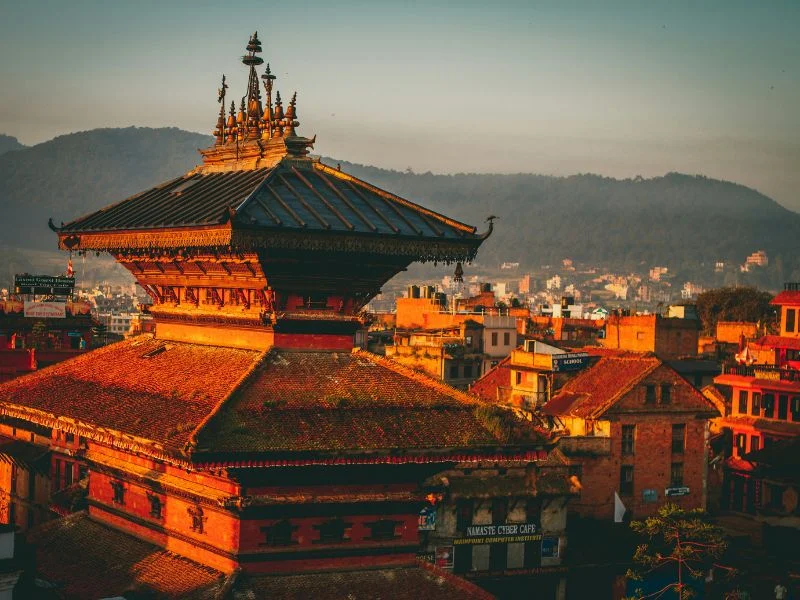
Kathmandu Durbar Square comprises a medieval palace, decorated with rich architecture.
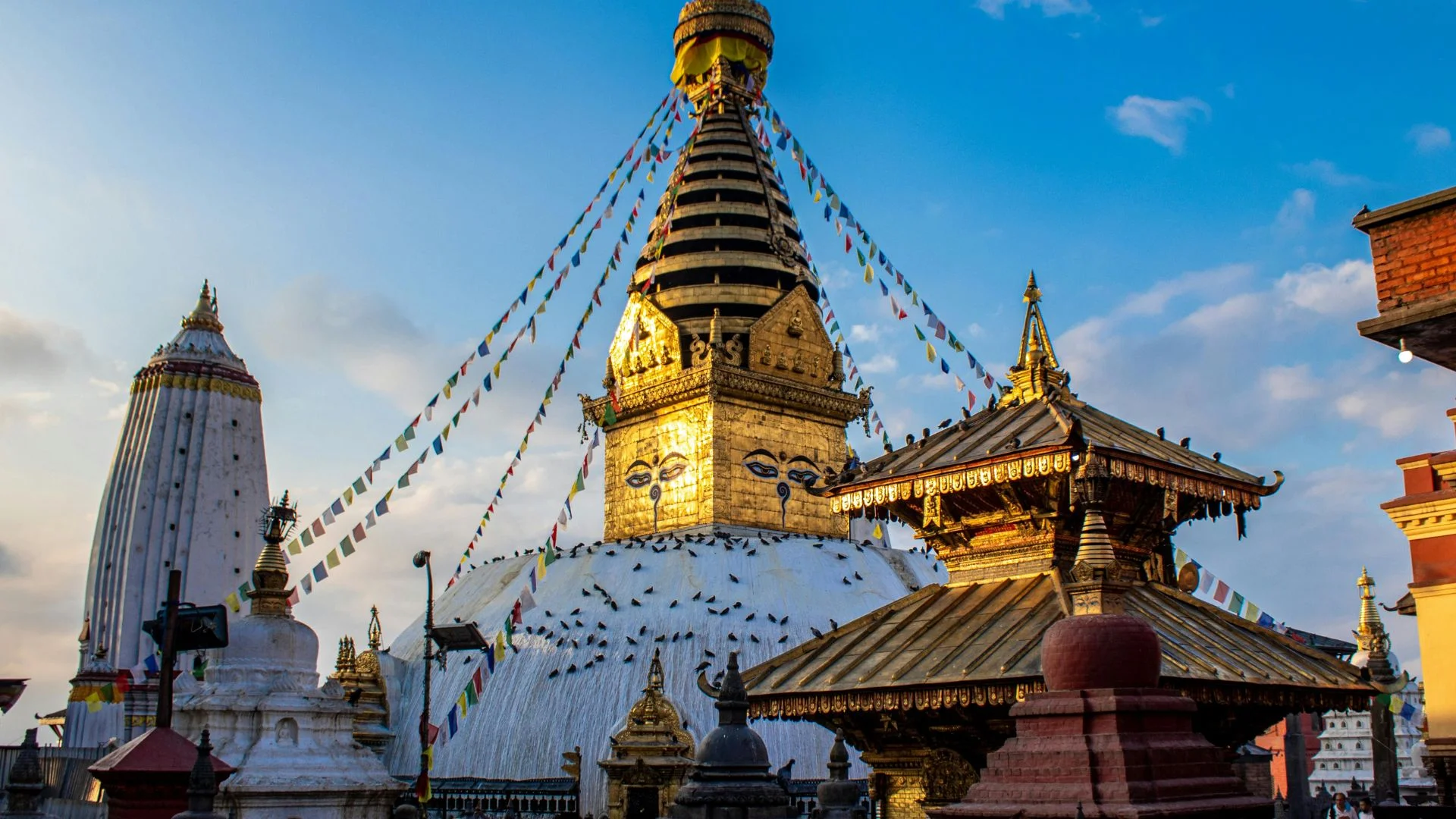
Visit the holy Swayambhunath Stupa, more commonly referred to as the 'Monkey Temple', which provides a panorama of the Kathmandu Valley.
Walk around the Pashupatinath Temple, Nepal's most sacred Hindu shrine.
The Boudhanath Stupa, one of the largest in the world, remains a center of Tibetan Buddhism.
Enjoy the local way of life in Thamel, Kathmandu's tourist area, with its cafes, shops, and traditional markets.
Description Of Kathmandu City Tour -1 Day
Kathmandu City Tour discovers the cultural and historical soul of Nepal's capital. Ideal for those with limited time, this whole day's experience gets you in touch with UNESCO World Heritage Sites, buzzing markets, and hidden gems of Kathmandu. This is a tour package that is ideal for travelers who want to delve deep into ancient history, vibrant culture, and spiritual energy.
Why Choose Kathmandu City Tour Package?
Expert Local Guides: Our knowledgeable guides offer deep insights into the history and culture of Kathmandu.
Customized Experience: Whether you're interested in history, spirituality, or local life, we tailor the experience to meet your interests.
Comfortable Transport: We provide safe and comfortable transportation throughout the tour, ensuring a hassle-free experience.
How does the Kathmandu City Tour start and end?
Your one-day adventure in Kathmandu begins bright and early with a friendly pick-up from your hotel at 7:00 AM. The tour plan aims to entail tourists' experience in the city's diverse cultures; the tour starts at Kathmandu Durbar Square, with a palace and temple built centuries ago. You will next step into places such as Swayambh scanned Stupa, which gives a quiet feel to the environment and any eye-catching view that one would wish to take a break and marvel at. The tour will visit Pashupatinath Temple and Boudhanath Stupa; if you stay inside the temple and Stupa, you will feel yourself in the spiritual city of Kathmandu, and lunch will be traditionally served in Nepali cuisine.
As the sun sets, your tour wraps up with a relaxing drop-off at your hotel around 5:00 PM. This way, you not only get a birds-eye view of Kathmandu's colorful history but also, after an hour's tour, you have your own space to freshen up. It is the day most people will remember because they get to taste some delicious foods, see amazing views, or even interact with friendly people.
Itinerary Of Kathmandu City Tour -1 Day
7:30 AM – Pick Up from Hotel
Our representative will pick you up from your hotel in Kathmandu.
8:00 AM – Visit to Kathmandu Durbar Square
Explore ancient palaces, courtyards, and temples. The highlight here is the Hanuman Dhoka Palace, home to centuries-old artifacts.
10:00 AM – Drive to Swayambhunath Stupa (Monkey Temple)
A short drive takes you to this iconic stupa, where you'll enjoy a peaceful environment and an exceptional view of the city.
12:00 PM – Explore Pashupatinath Temple
One of the most significant Hindu temples, Pashupatinath sits along the sacred Bagmati River. Witness religious rituals and the unique cremation ghats.
1:30 PM – Lunch at a Local Restaurant
Savor authentic Nepali cuisine at a traditional restaurant, or you can opt for international dishes, as per your preference.
2:30 PM – Visit Boudhanath Stupa
This massive stupa is a pilgrimage site for Buddhists around the world. Its serene environment is perfect for meditation and learning about Tibetan culture.
4:00 PM – Stroll Through Thamel
Conclude your tour with a walk through the lively streets of Thamel. Shop for souvenirs, try street food, or enjoy a coffee in one of the many cozy cafes.
5:00 PM – Drop Off at Hotel
We will drop you off at your hotel, concluding the day tour.
What's Included In Kathmandu City Tour -1 Day
Included
Private transportation with an experienced driver.
Licensed English-speaking guide.
Entrance fees to all sites.
Lunch at a local restaurant.
Hotel pick-up and drop-off.
Excluded
Personal expenses such as shopping and extra snacks.
Tips for guide and driver.
Any additional activities not mentioned in the itinerary.
Additional Information Of Kathmandu City Tour -1 Day
Best Season for the Kathmandu tour
The best time for a Kathmandu tour doesn't matter if you are interested; it does depend on your personal preferences. However, according to us, the best season for a Kathmandu tour is either Spring or Autumn, when the climate and temperature are worth visiting Nepal.
Spring (March, April, May): The weather is stable, and the temperature is moderate and pleasant, ranging from 16°C to 30°C (60°F to 86°F). You will get to explore and witness the city fully blooming with flowers, especially rhododendrons, visiting gardens, temples, and surroundings. You'll even experience the festival of colors, Holi, and celebrate the Lord Buddha's birth, known as "Buddha Jayanti"."
Autumn (September, October, November): The month transitions from monsoon to autumn. Thus, you can experience slight monsoon rainfall in the earlier week, with mild temperatures ranging between 14°C to 28°C (57°F to 82°F). During the monsoon season, the mountain range's visibility and air quality are good enough for sightseeing, especially in post-monsoon season. Some of the major festivals, including "Dashain" and "Tihar", will also fall under this period, so the festival flavors are also diverse.
The second season offers the best climate for sightseeing as well as exploring the heart of the Nepalese capital city – Kathmandu. Autumn may be slightly better if you prefer cooler temperatures and festival vibes.
Entry Fee and required documents
For a one-day tour in Kathmandu, there are no special permits and documents are minimal, but it's essential to have the following:
Passport and Visa
Ensure your passport is valid for at least six months beyond your arrival date, as it's essential for entering Nepal. Most travelers need a tourist visa, which costs approximately USD 30 for 15 days, USD 50 for 30 days, or USD 125 for 90 days of passing through, is granted on arrival at the airport and lasts, between three days to three weeks.
Travel Insurance
While travel insurance isn't mandatory for your one-day Kathmandu tour, it's wise to have coverage for medical emergencies and trip cancellations. It also does not harm to have a photocopy of what insurance was purchased and the numbers of the emergency contacts with you as well. That way, there's no need to fear when taking in the amazing views and embracing the lively culture, all through your insurance policy.
Local Contact Information
Keep the contact details of your hotel or tour operator handy, including phone numbers and addresses. This will be helpful for any assistance you may need during your day in Kathmandu, making sure that at any one given point, you can extend an arm and get help from whoever you trust.
Health Documentation
Carry necessary health documentation, including proof of vaccinations, to comply with entry requirements in Kathmandu. It's also wise to list any medications or health conditions for emergencies.
Cash
This one-day tour necessitates adequate dollars/ cash in Nepalese Rupees (NPR) as some meals, souvenirs, etc., do not accept credit cards. It is our suggestion that you carry some cash with you to cover entry fees or meals, transport, and the numerous shopping sprees that you would wish to make. At the same time, one can easily withdraw money if there is an ATM in Kathmandu or change money to the legal exchange offices.
Entry Fees
Here's a breakdown of the entry fees for the key attractions mentioned in the one-day Kathmandu tour itinerary:
Kathmandu Durbar Square: It costs approximately Rs. 1000 (approximately USD 8).
Swayambhunath Stupa (Monkey Temple): It costs nearly NPR 200 or about USD 1.50.
Pashupatinath Temple: Foreign tourists pay about NPR 1,000 (about USD 8); entry for Nepalis is free.
Boudhanath Stupa: NPR 400, which is over USD 3.
Total Estimated Entry Fees: About NPR 2,600 or about 20.50 US Dollars.
Preparation: Physical fitness and Mental stability
To exploit the one-day tours in Kathmandu effectively the body and the head must be fit and most importantly prepared. Stating fitness is crucial as movement throughout the trip will involve walking and visiting different sites, it's recommended that prior to the trip one makes light exercise while the night before there is adequate sleep is encouraged. Mentally, go for the tour with empty minds or positive attitudes as each new culture is thrilling and may sometimes become disappointing. However, remaining rigid and looking for things that do not meet your expectations will enable you to discover Kathmandu's rich and lively cultural tourism. Also make sure that all your documents are with you, for example, passport and visa, personal items such as comfortable shoes, hat, sunscreen, an appropriate water bottle to improve your experience.
Food and Cuisines to try
Nepal offers a rich cultural heritage through its dining traditions. It reflects the delightful culinary experiences that cater tastes and preferences of all. Summarizing the cuisines, these are the top-most recommended foods to try during the Kathmandu tour.
Traditional Nepali Dish: Dal Bhat
Cultural Dining's: Newari Cuisine, Thakali Cuisine, Gundruk and Kwati, Aloo, and Tama
Street Foods from local vendors: Momo, Samosa, Laphing, Pani Puri, Sekuwa, Thukpa
Traditional Beverages: Chiya (Nepali Tea), Tongba, Rakshi
Media Gallery Of Kathmandu City Tour -1 Day
FAQs Of Kathmandu City Tour -1 Day
Reviews & Testimonials Of Kathmandu City Tour -1 Day
Parbez A
Mika M
Carolyn Muskett
Carolyn M
Recommended Blogs
Best places to have food in Thamel
From mouth watering street food stalls to high end cafes and restaurants, Thamel has it all. Before heading to the mountains or celebrating your return, Thamel, Kathmandu has food for every phase of your journey. Taste your way through Thamel! Thamel is one of Kathmandu's energetic tourist locations with not just souvenirs and trekking gear but amazing food as well. From spicy roadside momo to Instagram worthy brunches, Thamel has something for every taste and budget. A hearty pre trek meal or a recovery dinner, the location is a culinary hub that reflects Kathmandu’s cultural richness and global influence. One bite at a time, try street food, enjoy a strong coffee, or treat yourself to gourmet pizza. The local street foods include Momo, Samosa, Panipuri, Chatpate, etc. which many of us in Nepal choose for in our day to day life. Something not so expensive and easy to go to, our happy place is the hygienic street vendors. If you want to unwind in style, Himalayan Java never disappoints. Roadhouse Cafe or Kaiser Cafe may be pricer, but they offer you comfort, ambiance and top notch quality of foods. Dive into the article for the best food stops in Thamel from street food stalls to cozy cafes! Cheap, Local, and Flavor Packed Street Food Stalls in Nepal Buff Momo Stall outside Chhaya Center Location: Opposite Chhaya Devi Mall Price: NPR 80 to 150 Speciality: Juicy buff momo and fried momo with spicy pickle (achar) Steaming dumplings are perfect for a quick energy boost. The buff momo (made with buffalo meat) is a juicy and flavorful fresh dumpling which is served with a tangy, homemade tomato achar (pickle). If you are feeling bold and crave crispy, you can try the deep fried version of momo. Crispy on the outside, and soft and meaty on the inside is a flavorful burst. If you want an option for veg or chicken momo, you can try all the other available stalls around Thamel. If it is raining or cold, choose jhol momo because it is the best because of its tangy and warm soup with steaming dumplings. Panipuri and Chatpate Cart near Mandala Street Location: Side street near Fire and Ice Pizza Price: NPR 40 to 80 Speciality: Spicy pani puri and crunchy puffed rice chatpate The vendor serves you pani puri which is a popular South Asian street snack made of hollow, crispy puris filled with spiced potato and flavored water. It is tangy and spicy, a whole packet of flavors, and incredibly satisfying. The chatpate is crunchy and an addictive spicy combination to panipuri. It is a mix of puffed rice, waiwai noodles, chilli, onions, and sauces, a perfect go to snack for adventurous eaters. Samosa Stall on Tridevi Marg Location: Just before the entrance to Garden of Dreams Price: NPR 30 to 50 Speciality: Freshly fried samosas and sweet jalebis It is a popular evening lunch stall amongst locals on this corner. Samosas are hyped pastries with spicy potato fillings and topped with hot tamarind or minted chutney. Order a jalebi, a deep fried rope of batter dipped in sugar syrup to accompany samosa. It is sweet, a little bit sloppy, but heavenly, especially with a cup of local milk tea. Mid Range Cafe in Thamel where Comfort meets Culture OR2K Location: Mandala Street Price: NPR 600 to 1000 Speciality: Falafel Platter with hummus, tahini, and warm pita bread OR2K is an iconic vegetarian restaurant that mixes Middle Eastern flavors with a bohemian environment. A Falafel plate composed of hummus, tahini, and crispy falafel is a healthy, protein-rich, filling dish and exactly the one that will satisfy both the hungry stomach and health-conscious mind. The atmosphere of the cafe is built around low seating, a colorful interior, and communal tables that encourage healthy connections. It is also such a fantastic place to take a rest day, do some (journal) writing, or enjoy a healthy meal before getting out on those trails. Blueberry Kitchen and Coffee Shop Location: Keshar Mahal Marg Price: NPR 500 to 900 Speciality: Creamy Alfredo Pasta and Grilled Chicken Burger Blueberry Kitchen is known for its consistency, cleanliness, and friendliness. The Alfredo cream pasta is warm and comforting, and the grilled chicken burger is just right, with the perfect balance of both quality and quantity. It is one of the stops where trekkers and travelers can take a break after enjoying spicy food or a satisfying Western-style meal. The warm interior, comfortable atmosphere, and low prices make it a good place to eat lunch or dinner, particularly when you have become accustomed to city life after surviving without it for a few weeks out on the trail. Forest and Plate Location: Mandala Street Price: NPR 700 to 1000 Speciality: Avocado Quinoa Bowl and Grilled Vegetable Platter Forest and Plate provides a breath of fresh air above the traffic of Thamel, offering clean and health-friendly food. Their quinoa bowl made with avocado is a popular dish consisting of fresh vegetables, a light sauce, and nutritious values, exactly what you need after meals of instant noodles. The rooftop garden atmosphere, vegetative environment, and relaxing music make it one of the nicest places to relax, whether it's after a hike or before. High Budget Cafes and Restaurants in Thamel Roadhouse Cafe Location: JP School Road Price: NPR 800 to 1500 Speciality: Wood fired margherita pizza Roadhouse Cafe is an excellent choice for a comfort food restaurant. Their Margherita pizza is cooked in the wood-fired oven, with a crunchy, thin crust, flavorful tomato sauce, and mozzarella. Its trendy decor and cozy lamps make it ideal for people who have spent a rough day in the mountains but would like to have a fine dinner. Roadhouse is casual yet classy enough to serve as a great way to end a trek or a perfect date night out in Kathmandu. Kaiser Cafe Location: Inside Garden of Dreams Price: NPR 1000 to 1600 Speciality: Pasta Alfredo with Lemon Cheesecake for Dessert Kaiser Cafe is a relaxing spot situated in the peaceful location of Garden of Dreams that offers a serene setting for a break. Pasta Alfredo is rich and comforting, while lemon cheesecake is light and refreshing. All the flowers, fountains, and colonial-style buildings, this cafe is fantastic for having a decompression lunch after a trek or a lazy morning. It is an excellent place to calm your thoughts and picture-perfect meals in the middle of the city. Himalayan Java Coffee Location: Thamel Price: NPR 400 to 800 Speciality: Artistic coffee, cakes, and chill atmosphere There is a reason why the Himalayan Java is the favorite coffeehouse chain in Nepal. Their coffees are all artisanal, and they especially have a perfect, soft, rich, and creamy coffee. Additionally, their cinnamon rolls are fluffy, warm, and sweet enough. They offer comfortable chairs, decent Wi-Fi, and a relaxed atmosphere. You can organize your next adventure, manage emails, or simply enjoy watching life pass by. If you are a digital nomad, early riser, or someone who needs high-quality coffee, you will find this place to yourliking. Beyond the Buzz: Hidden Gems of Thamel Thamel Doner Kebab Location: Near Bhagwan Bahal Road Price: NPR 300 to 500 This is a small but undervalued doner takeaway shop located on the street, offering the best of Turkish-style wraps that are both satisfying and reasonably priced. The chicken is moist, well-seasoned, and served in a warm, puffy flatbread filled with crunchy vegetables and a smooth garlic sauce. The small booth has limited seating capacity, but the flavors are strong. This place is not only fast and delicious but also devoid of fuss, an absolute secret to fill up both your stomach and heart. Sarangi Vegetarian Restaurant Location: Close to Paknajol Marg Price: NPR 400 to 700 Sarangi is not a one-dimensional place to eat but a community space and sustainable dining area. The vegan plate consists of local rice, seasonal vegetables, spicy lentils, and tangy homemade pickles, offering a genuine experience of Nepali home cuisine. It is an ideal place for you in need of healthy, ethically sourced, and culturally authentic food. Having roof-toped seating and a mission to empower local youth, Sarangi gives you a feel-good experience combining food, people, and purpose. French Bakery Thamel Location: Amrit Marg Price: NPR 200 to 500 Nested in the quiet corner of Thamel, this undiscovered treasure will bring you to Europe in a snap in the form of freshly baked pastries and buttery croissants, and decadent chocolate eclairs. The tranquility in the garden courtyard makes a lovely escape which is perfect for a leisurely breakfast, journal writing, or a relaxing wind-down after a trek. The coffee is excellent, and the pastry is delicious, served in a casual atmosphere. Whether you're homesick for Western goodies or looking for a quiet spot with good food and Wi-Fi, French Bakery is a sweet oasis that takes everyone by surprise. Mitho Restaurant and Cafe Location: Back alley near Z street Price: NPR 300 to 600 Mitho Restaurant and Cafe is a great dinner spot to visit if you're craving a homely, authentic Nepali meal. And their dal bhat is served with all the comfort ingredients: soft rice, spicy lentils, lightly curried vegetables, and a side of fermented greens called gundruk. The tastes are pure, harmonious and utterly satisfying. The cafe is situated in a quiet side street and resembles a cozy household eatery. It is the ideal place to visit when the need to eat something delicious and local arises, but the restaurant's chic atmosphere is not a priority, and its price is not desirable. It is the type of establishment where you linger after the meal, thanks to the hospitality. Electric Pagoda Bar and Cafe Location: Saat Ghumti Marg Price: NPR 500 to 900 Electric Pagoda is an artistic courtyard bar that combines bohemian and refined elements, serving rich and tasty food. Their hot, spicy chicken curry cannot be beaten as the delicious, heart-warming, and just the right portion meal fills up your stomach and your beautiful heart. With beanbags, murals, hanging plants, and mood lights, this cafe has a beautiful ambience. It's an excellent hangout spot to enjoy a drink of herbal tea or a local cocktail after a long hike. Planning to meetup with a fellow traveler, read a book without being disturbed, or scribble your trek diary, Electric Pagoda is the most underestimated paradise in Thamel. Utse Restaurant Location: Jyatha Street Price: NPR 500 to 1000 Fondly referred to as a heritage gem situated in the premises of one of the oldest heritage hotels in Kathmandu, Utse is a place that offers authentic Tibetan food. Their shyaphale, a fried Tibetan breads, filled with minced meat, are crunchy, chewy, and simply pleasing. The atmosphere carries the old Kathmandu touch, with wood-carved interiors and serene corners. It is the first choice for those seeking an experience of Tibetan cuisine and a calm atmosphere in a traditional setting. This is an excellent introduction to the culture of the Mustang or Annapurna region through food, without the altitude, in case you are trekking in the region. Basil Cafe and Bar Location: North end of Thamel near Lainchaur Price: NPR 600 to 1000 Basil is a fashionable yet easy-going cafe that is a little outside of the tourist spot. They offer a signature yak steak that is tender and fatty, perfectly complemented by locally sourced spices, mashed potatoes, and fresh vegetables. Its inside-outside layout is open and classy, with large tables, low tunes, and liberal greenery. It is an excellent choice, especially for couples, small parties, or even single travelers who prefer something special yet not too fancy. Somewhere to have a good dinner after the hike or a serious talk with the wine that does not put one in the picture, Basil is an elegant establishment that is not snobbish. Conclusion: Eat, Explore, and Elevate your Thamel Experience Thamel is a tasteful destination of its own. From jam-packed momo stalls to serene rooftop cafes, this place offers a diverse range of food to satisfy the soul and stomach. Thamel is a slice of Nepal, a mix of messy and peaceful, local and international, all in a tasty morsel by morsel. Relax, book a seat, come to a stop, and enjoy Thamel. You will realize that each plate has its own story, each cafe has its own atmosphere, and each non-obvious corner awaits you to explore further. And in case you are here to begin your mountain experience, let the professionals guide you through your adventure. Yeti Hikes is a locally grown trekking firm in Nepal, based in Thamel, offering treks with a heart that are deeply woven into culture, coupled with high safety standards and soulful journeys. No matter where you are going, whether it is the Annapurna Circuit, Everest Base Camp, Tilicho Lake, or the Manaslu area, we will ensure you walk in preparation, with a purpose, and with people who care. In Nepal, as trekkers/traveller, every good plan starts with a perfect heartwarming dinner in Thamel!
Indra Jatra 2025: A Vibrant Celebration of Kathmandu's Heritage
Indra Jatra is a significant festival in the Kathmandu Valley that Nepalese people celebrate with intense passion and joy. The local Newar people of Kathmandu call this festival "Yenya Punhi," which demonstrates the peaceful relationship between the two faiths. This annual festival celebrates Lord Indra, who is believed to be the Hindu divine figure who controls rain and agriculture and functions as the god of heaven. People honor him for prosperous crops and for safeguarding against malicious forces. The arrival of the monsoon season invites Kathmandu valley residents to gather and honor their heritage while worshipping their deities until they perform ancestor rituals during this traditional festival. People from all regions can participate in the unforgettable cultural festival, which showcases Nepal's traditions through its religious panorama. The festival honors Lord Indra every year, showcasing Kathmandu Valley's complete cultural heritage. From Saturday, September 6, to Saturday, September 13, 2025, the festivities for the Indra Jatra festival will commence. The Indra Jatra blog will guide you through the extensive historical traditions and religious ceremonies distinguishing Indra Jatra from all other events. King Gunakamadeva held this festival about a thousand years ago when he ruled during the tenth century to honor the founding of Kathmandu. Today, Indra Jatra exists as both a spiritual religious celebration and an extensive cultural festival that attracts thousands of residents and international visitors. The Nepalese people celebrate this festival through grand events, including vivid processions, dances, musical performances via chariots, and ancient religious ceremonies, which make it one of Nepal's most distinct and widely anticipated yearly ceremonies. How is the Indra Jatra (Yenya Punhi) celebrated? Yosin Thanegu: The Raising of the Yosin Pole The rise of the Yosin Pole, a wooden structure, is the inaugural step of the festival through its special placement on the site. People carry out this tradition to celebrate Lord Indra descending to our planet. A pole traditionally based at Kathmandu Durbar Square requires many people to pull it from another location while showing strength and enthusiasm. The procession occurs by singing traditional songs and chanting as part of a ritual to attract divine blessings. People see the wooden pole as representing divine protection that extends from the god across the entire city while festivals are underway. The ritual is a key element of Indra Jatra because it demonstrates both worship toward Indra and the community's unity while achieving a primary communal task. These festivities begin with this event, creating the festival's atmosphere for joyous celebrations. The Kumari Chariot Procession Indra Jatra has a grand highlight when Living Goddess Kumari rides on a splendidly decorated chariot that tours Kathmandu's streets during this celebration. During the procession, people admire Kumari because she carries the physical manifestation of the Taleju goddess. Multiple deities participated in the procession, including the critical Hindu deities Lord Ganesh and Bhairav. Large masses of people move the chariot forward as they create an atmosphere of traditional music through chanting, drumming, and dancing. People from around the world follow the chariot procession through the historic streets of the ancient city. When the Kumari chariot leads the procession, it represents one of the highest points of devotion because the religious community sees it as sacred among all festival parts. During this journey, the goddess extends her protection and blessings to her followers because she believes she defends everyone from evil forces. Majipa Lakhey Dance and Other Masked Dances Traditions in the form of masked dances during Indra Jatra animate the streets of Kathmandu. During the Majipa Lakhey dance, the central performer emerges as a masked dancer who adopts the form of a protective demon. The character is a protective spirit who guards the people from evil while bringing them good fortune. During the Majipa Lakhey dance spectacle, the Pulu Kisi dance is performed alongside it, as the mythical elephant represents the mount of Lord Indra. During these events, dances are both entertainment and essential parts of the cultural heritage that defines Kathmandu Valley. The performers use extravagant clothing and face coverings to enact dramatic mythological tales while performing energetic dance routines. The festival tradition is passed down from generation to generation, which helps maintain its essential role in making the festival special. Mata Biye: A Tribute to the Departed Souls During Indra Jatra, the ritual Mata Biye serves as an important celebration that mourns the departed spirits of deceased loved ones. During this occasion, households lit butter lamps beside the procession routes while making religious petitions. At this moment, the people unite to let their beloved ancestors rest in peace. The ritual marks the moment when mourning ends because families join the celebratory events dedicated to remembering loved ones who have passed away. Nepali people display profound devotion to their ancestors through this tradition because they believe dead family members maintain contact with their survivors. Samay Baji: The Feast of Tradition Samay Baji represents the traditional Newar festival feast, which must be present in every Kathmandu Valley celebration. The conventional Newar delicacy Samay Baji combines chiura (beaten rice), chhoila (spiced grilled meat), bhatmas (roasted soybeans) with numerous flavorful foods. Samay Baji serves as a cultural emblem of welcome hospitality, which people provide to their friends and relatives during the festival. The feast, Samay Baji, gathers the community and shares meals combined with alcohol and social interaction. Traditional Nepalese hospitality comes to life with Samay Baji, which presents local cultural elements and strengthens community bonds between people. The Influence of Buddhism in Indra Jatra The primary Hindu festival of Indra Jatra displays the extensive Buddhist elements that exist within the cultural base of Kathmandu Valley while honoring Lord Indra. Since ancient times, Newar residents have combined Hindu and Buddhist beliefs, which guide the religious activities during festival celebrations. Many Buddhist traditions embedded into the celebration naturally bring about a religious harmony that exists in Nepal during Indra Jatra events. Among the Buddhist impacts on Indra Jatra stands is the deep religious respect shown to the Living Goddess, Kumari. Newar Buddhists and Hindus maintain deep reverence for the Kumari because they consider this young girl a divine embodiment of the Taleju goddess' feminine p\\ower. The chariot procession of the Kumari during Indra Jatra accompanies the deities Ganesh and Bhairav on their paths while following the Buddhist belief system in worshiping present deities. The festival includes masked dances such as Majipa Lakhey, which originated from Buddhist tantric practices that focus on protecting the community through protective deity invocation rituals. Kathmandu presents a spiritual identity through its festival because it harmoniously accepts Buddhist and Hindu beliefs. Indra Jatra demonstrates the fantastic way faith traditions blend to form an extensive cultural legacy that all people deeply adore during their annual celebrations. Where to experience Indra Jatra? The downtown Kathmandu Durbar Square is the central location for Indra Jatra because this UNESCO World Heritage Site becomes a lively performance area for the festival festivities. You can experience two great acts at the venue: the spectacular Kumari chariot parade, the mind-blowing Yosin pole raising ceremonies, and the soul stirring Lakhey dances. The historical courtyards alongside temples in Kathmandu Durbar Square dances through musical performances and religious rituals, including traditional masked dances. The age-old traditions deliver an exceptional experience to all spectators. The primary center of Indra Jatra festival activities exists at Kathmandu Durbar Square. Still, the entire old city of Kathmandu participates in the festivities, notably in Hanuman Dhoka, Freak Street, Indra Chowk, and Ason neighborhoods. The lively streets display traditional decorations combined with colorful lights and short-term markets. Smaller versions of the festival occur in historic Newar towns Bhaktapur and Patan during the same period. Residents in each city conduct traditional celebrations through local processions, which they perform with conventional dances. You can find abundant cultural experiences during Indra Jatra because you will simultaneously be among the crowds in squares and exploring the narrow alleys. History behind the Celebration of Indra Jatra The tenth-century king Gunakamadeva hosted Indra Jatra when he ruled over Kathmandu and founded the city simultaneously. The king started this festival to celebrate the completion of Kathmandu's construction while asking divine protection for the new town and its prosperity. The original agricultural community of the Kathmandu Valley transformed Indra Jatra from a celebration of its completion into a ritual dedicated to Lord Indra since his divine consecration brought essential rain for successful harvests. Legend tells of Lord Indra's earthly visit as a human to collect the Parijat flower, which would serve his mother's religious ceremonies. The locals captured the flower collector after he picked the flower because they remained unaware he was a divine being. Upon a visit to Earth, Indra's mother exposed his divine heritage because of her search for her child. After discovering their error, the people freed Indra and vowed to welcome him yearly through performances, music, and offerings. Indra Jatra has two purposes: people honor Lord Indra through devotion while simultaneously expressing festive gratitude for rain and agricultural prosperity. Indra Jatra emerged from this fundamental history, which sustains its religious status and builds a cultural heritage for Kathmandu through sacred legends combined with communal reverence. Tips for you while visiting Indra Jatra Anyone who visits Kathmandu during Indra Jatra will undoubtedly remember the vibrant spectacle that showcases traditional cultural events. If you want a fantastic experience at the festival while optimizing your time, invest in the following functional pieces of advice. Large crowds gather to witness the procession of the Kumari chariot together with the masked dances near Kathmandu Durbar Square. The best viewing spots require early arrival because it will help you get close positions to particularly watch the Kumari Ganesh Bhairav chariots. Major holiday events lead to extremely congested streets throughout the celebration period. Protect your possessions while maintaining your watchfulness of what happens around you, and avoid any attempts to enter religious processions. Smooth passage through crowds is better than resisting their flow. It is natural for Indra Jatra to have rain showers because the festival honors the rain god. The wet conditions during festivities require a waterproof small umbrella or rainproof jacket to maintain dryness. The celebration of Indra Jatra brings food vendors who establish temporary stands in and near Durbar Square and the old city roads. Your priority dishes during Indra Jatra should be a traditional samay baji platter, chatamari rice crepes, and buffalo meat dishes. A traditional Newar dining experience perfectly matches this festival period. The schedule for Indra Jatra follows traditional patterns instead of strict timetables. The weather and delays in procession schedules might lead to plan changes during this event. Take delight in the changing environment's enthusiastic spirit while accepting the celebration's random aspects. If you want to learn more, you can hire a tour guide from us, Yeti Hikes, who can give you an in-depth understanding of stories, symbols, and ritual meanings during your visit. Their knowledgeable explanations will deepen your knowledge of the event. Conclusion: A Cultural Extravaganza Manjushri Temple uses Indra Jatra as an effective spirit of Kathmandu to multiple lively displays, such as the procession of colorful chariots, masked dances, sacred ritual observances, and crowd celebrations, producing an intense and profound experience during Indra Jatra. At this time, the narrow old streets of Kathmandu become filled with drum patterns while incense flavors the air, and cultural descendants unite to have spiritual reverence for their gods along with their shared cultural heritage. Every place in the city manifests active energy, giving you an exceptional opportunity to experience years-old traditional practices. Any person who chooses Indra Jatra as their destination gets to experience Nepalese culture through an unforgettable celebration of spirituality and history and entrancing festive celebrations. Traditional practices live on through active forces connecting people and motivating them today just as they did in the past. The colorful, spectacular Indra Jatra will occur in 2025, so you can experience the authentic spirit of Kathmandu through sounds and emotions. Make sure to put September 2025 on your schedule.
Dashain and Tihar: Nepal’s Grand Festivals of Joy and Togetherness
The beautiful nation of vibrant traditions, Nepal celebrated Dashain and Tihar that define Nepali culture, family bonding, and celebrations. Dashain teaches the triumph of good over evil and Tihar celebrates gratitude, prosperity, and the sacred bonds with animals and siblings. Celebrated during the autumn season, these festivals offer a glimpse into Nepal’s rich cultural tapestry. This is the ideal time of year for tourists to travel to Nepal. The streets are a riot of color, music, and fun. Villages in the mountains appear enchanted, and families greet their people with smiles. Trekking with Yeti Hikes will allow you to experience both the natural beauty and the culture of festivals. Dashain Festival in Nepal Bijaya Dashami, another name for Dashain, is derived from a Hindu tale. It commemorates Goddess Durga's triumph over Mahishasura, the demon king. After nine days and nights of fighting, she finally prevailed on the tenth day. The moral of this tale is that good always triumphs over evil. Dashain eventually rose to prominence as Nepal's largest celebration. It is not just about prayers; it is also about joy, food, and family get-togethers. People travel throughout Nepal to see family, farmers give thanks to the gods for a bountiful harvest, and kids relish their extended vacation. People are celebrating Dashain everywhere you go, whether it's in Kathmandu or the Annapurna region's trekking villages with Yeti Hikes! How is Dashain celebrated in Nepal? Dashain lasts for 15 days and each is auspicious on its own. Day 1: Ghatasthapana Families use clay pots to plant jamara, or barley seeds. Until the tika day, these sprouts are stored. Day 7: Fulpati Plants and sacred jamara are transported from Gorkha to Kathmandu. Jamara is also brought home by families. Day 8: Maha Ashtami People worship the goddess Durga. Families feast on large meals and sacrifice animals in many places. Day 9: Maha Navami For protection, tools, cars, and weapons are revered. Public access to Kathmandu's Taleju Temple begins. Day 10: Bijaya Dashami The most significant day is Bijaya Dashami, also known as Tika Day. Young ones are blessed with health and good fortune when elders apply jamara and tika (rice, yoghurt, and red powder) to their foreheads. Families get together to celebrate, eat, and laugh. Days 11 to 15: Tika Continues Families continue to get together. Kojagrata Purnima, the final day, is devoted to Goddess Laxmi. In villages, people build bamboo swings (ping) for children and youth. During Dashain, anywhere you go, you can enjoy a festive meal with the locals or play on these swings. Tihar Festival in Nepal Another name for Tihar is Yamapanchak or Deepawali. It honors the tale of Yama, the death god, and his sister Yamuna. Yamuna's prayer for her brother's long life gave rise to the custom of Bhai Tika, in which sisters bestow happiness and good health upon their brothers. Crows, dogs, cows, and oxen, animals that are a part of Nepalese daily life, are also worshipped, which makes Tihar unique. With lights and decorations, the festival also pays homage to Goddess Laxmi, the goddess of wealth. Tihar is the most picturesque time of day for tourists to stroll around. Oil lamps, candles, rangoli designs, and music abound in homes and streets. During Tihar, the villages along Yeti Hikes' trekking routes appear even more picturesque at night. How is Tihar Celebrated in Nepal? Tihar Festival lasts for 5 days in Nepal, where each day is celebrated uniquely. Day 1: Kaag Tihar On the first day, Kaag Tihar, or Crow Day, people feed crows, who are thought of as messengers. Day 2: Kukur Tihar Dogs are decked out with tika and garlands on Day 2, also known as Kukur Tihar (Dog Day). As a token of appreciation for their loyalty, they receive delicious food. On this day, you can adore seeing joyful dogs decked out in flowers. Day 3: Laxmi Puja and Gai Tihar: In the morning, cows are worshipped. People invite Goddess Laxmi by lighting candles and lamps in the evening. Young people go from house to house singing and dancing Deusi-Bhailo. Day 4: Govardhan Puja and Mha Puja On the fourth day, Oxen are worshipped during Govardhan Puja and Mha Puja. Mha Puja, a ceremony to honour one's own soul, is celebrated by Newar families in the Kathmandu Valley. Day 5: Bhai Tika/ Kija Puja Sisters wish their brothers a long life by applying a seven-colored tika to their foreheads. In exchange, brothers give gifts. This day exemplifies the intense love between siblings. Why visit Nepal during Dashain and Tihar Festival? Dashain and Tihar are the ideal times to visit Nepal if you want to see more than just trekking and sightseeing. You can: Take in family blessings and tika ceremonies. On Tihar nights, join the locals in singing Deusi-Bhailo. Savor festival fare such as yomari, goat curry, sel roti (rice doughnuts), and desserts. See villages, temples, and streets decked out with flowers and lights. Participate in swings and community games in rural areas. Experience the culture of Nepal with Yeti Hikes. Walking through mountain villages during the day and taking in the Tihar lights with the locals at night is an experience that will last a lifetime. Conclusion: Celebrate Life the Nepali Way Tihar and Dashain are not merely celebrations; they are central to Nepali culture. Tihar illuminates the nation with thankfulness, music, and love, while Dashain brings blessings, joy, and family reunions. It is the ideal time of year for visitors to experience Nepal at its most joyful. Every moment is enchanting, from bamboo swings to Deusi-Bhailo songs, from tika ceremonies in Kathmandu to glowing lamps in mountain villages. You will experience Nepal, not just see it. Thus, schedule your vacation for September through November and join Nepal in commemorating the festivals of Dashain and Tihar, which you will never forget.
